
Why does it feel like bugs are crawling under my skin after quitting meth? That sensation, often called meth mites or formication, happens because methamphetamine disrupts brain chemistry, nerve signaling, sleep, and skin health. After you stop, your nervous system is still recovering, so phantom crawling or itching can linger. It usually fades with time, rest, hydration, and medical support.
Few withdrawal symptoms are as unsettling as the feeling that insects are moving across or beneath your skin. You look and see nothing there, yet the sensation feels completely real. Naturally, it can be frightening, embarrassing, and exhausting, especially if it makes you scratch or pick at your skin.
If you’re experiencing this, you’re not imagining things, and you’re not alone. In fact, meth mites are one of the most commonly described effects of methamphetamine use and early withdrawal. In this guide, the team at The Retreat South Coast in Santa Ana explains why meth mites happen, how long they last, how to protect your skin, and when it’s time to get professional help.
What Are Meth Mites?
Meth mites, also called meth bugs or crank bugs, are not real insects. Instead, they’re a tactile sensation, meaning a feeling on or under the skin that has no physical cause you can see. The medical term for this is formication, which comes from the Latin word for ant.
People describe meth mites in different ways, such as:
- Bugs crawling on or under the skin
- Tingling, prickling, or pins and needles
- Intense itching that doesn’t go away with scratching
- A feeling that something is burrowing or biting
Although these sensations are most often reported during heavy meth use, they can also continue for a period after someone stops. As a result, many people are surprised and discouraged when meth mites don’t disappear right away.
What Causes the Feeling of Bugs Crawling Under the Skin After Meth?
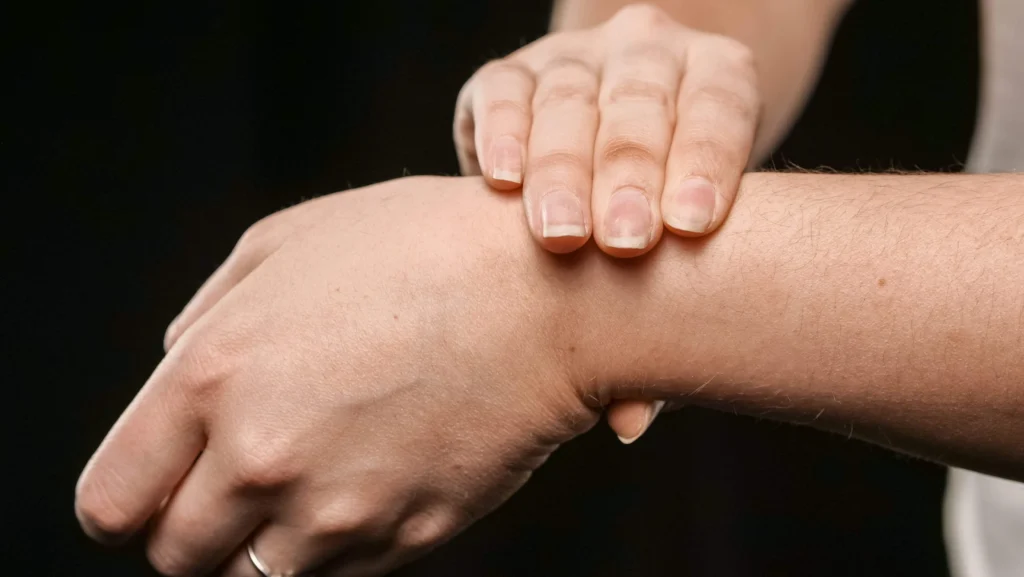
Several factors work together to create meth mites. Understanding them can make the sensation feel less frightening and help you respond to it in healthier ways.
How Does Meth Affect the Brain and Nerves?
Methamphetamine floods the brain with dopamine and other chemical messengers. Over time, this overstimulation changes how the brain processes signals, including sensations from the skin. According to the National Institute on Drug Abuse, long-term methamphetamine use can cause significant changes in brain structure and function, as well as anxiety, paranoia, and hallucinations. Consequently, normal skin sensations can feel amplified, distorted, or alarming even after use stops.
Can Sleep Deprivation Make Meth Mites Worse?
Yes. Meth use often leads to days without proper sleep. Then, during withdrawal, sleep patterns can swing wildly between insomnia and exhaustion. Because sleep deprivation affects how the brain interprets sensory information, it can intensify crawling and itching sensations.
How Do Dehydration and Poor Nutrition Play a Role?
Meth suppresses appetite and increases body temperature and sweating. As a result, many people who use meth become dehydrated and miss key nutrients. Dry, irritated skin is more likely to itch, and nutritional deficiencies can affect nerve health, which may add to tingling or crawling feelings.
Do Anxiety and Paranoia Make It Feel Worse?
Absolutely. Withdrawal often brings anxiety, agitation, and sometimes paranoia. When the mind is on high alert, it focuses more intensely on bodily sensations. Therefore, a small itch can quickly feel like a swarm of bugs, especially at night or during periods of stress.
You May Also Enjoy: The Top 5 Signs of Meth Use
How Long Do Meth Mites Last After Quitting?
The timeline varies from person to person. It depends on how long and how heavily someone used meth, their overall health, sleep, and whether they’re also dealing with mental health symptoms. Generally, however, meth mites and other acute withdrawal symptoms are most intense in the first one to two weeks after stopping.
Research supports this pattern. For example, a study of people in early abstinence from methamphetamine, published in Addiction and indexed on PubMed, found that many withdrawal symptoms improved considerably within the first week, while other symptoms, such as cravings, lasted longer.
For some people, sensations like itching or tingling continue on and off for several weeks, especially during periods of stress or poor sleep. Fortunately, as the brain and body heal, these feelings typically become less frequent and less intense.
What Other Meth Withdrawal Symptoms Should You Expect?
Meth mites rarely happen in isolation. During withdrawal, people commonly experience:
- Extreme fatigue and long periods of sleep
- Depression, irritability, and low motivation
- Intense cravings for meth
- Increased appetite
- Anxiety, agitation, or paranoia
- Trouble concentrating
- In some cases, hallucinations or confusion
Meanwhile, many people describe a longer period of low energy and flat mood as the brain’s reward system recovers, and the crawling sensation itself can take time to fade. For example, in a Reddit thread on r/recoverywithoutAA titled “My loved one feels bugs under her skin“, where someone asked how to support a partner recovering from meth, one commenter offered this reassurance:
“It can take days or even longer for that bugs feeling to go away.”
— u/EMitch02, r/recoverywithoutAA
In other words, healing is gradual, yet it does happen, and support makes each stage easier to get through.
Why Is Picking at Your Skin Dangerous?
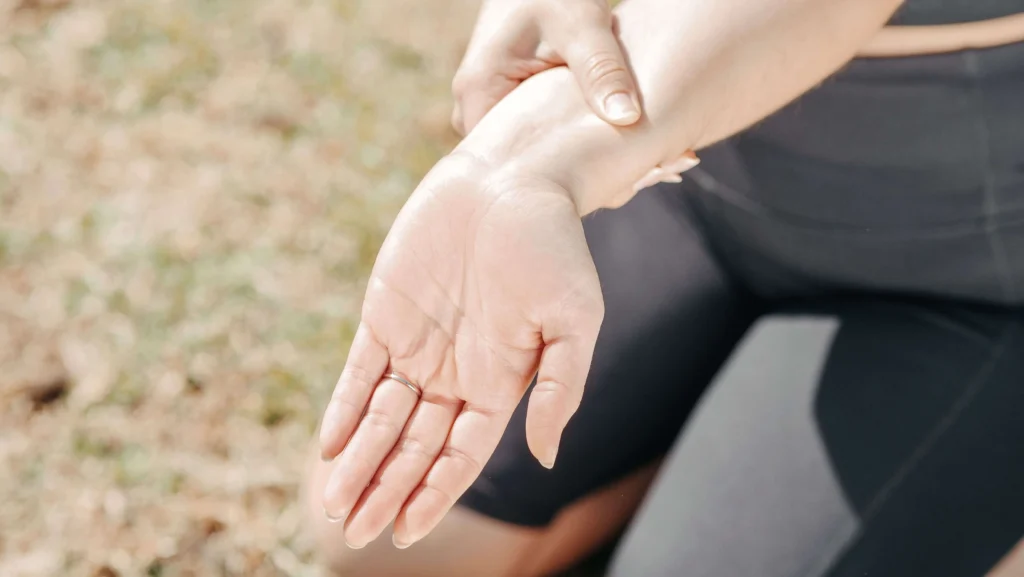
When meth mites feel overwhelming, many people scratch, pick, or dig at their skin to try to remove the “bugs.” Unfortunately, this can cause serious problems, including:
- Open sores and scabs that are slow to heal
- Skin infections, including staph infections
- Scarring that can last long after recovery
- Cellulitis or other infections that spread deeper into the skin
Because of these risks, it’s important to protect your skin and treat any wounds properly. Seek medical care right away if a sore becomes red, hot, swollen, painful, or drains pus, or if you develop a fever.
What Can Help Relieve Meth Mites at Home?
While medical care is the safest way through withdrawal, a few simple steps can ease discomfort and protect your skin:
- Moisturize often with a gentle, fragrance-free lotion to soothe dry skin.
- Take cool or lukewarm showers rather than hot ones, which can worsen itching.
- Keep nails short and consider wearing soft gloves at night to prevent scratching during sleep.
- Stay hydrated and eat regular, balanced meals to support skin and nerve health.
- Protect your sleep with a consistent bedtime and a calm, dark room.
- Redirect your hands and mind with a stress ball, a short walk, or a calming activity when the urge to pick hits.
- Practice slow breathing or mindfulness to lower anxiety, which often makes sensations feel stronger.
Above all, remind yourself that the sensation isn’t caused by real bugs and that it will pass. Naming it, for example by saying “this is formication, and it’s temporary,” can reduce the panic it creates.
When Should You Get Medical Help for Meth Withdrawal?
Meth withdrawal is not usually life-threatening on its own. However, it can be dangerous, especially when mental health symptoms are severe. Call 911 or go to the nearest emergency room if you or a loved one experiences:
- Hallucinations or paranoia that feel out of control
- Confusion or disorientation
- Chest pain, a racing heart, or trouble breathing
- Signs of a serious skin infection, such as spreading redness and fever
- Thoughts of suicide or self-harm
If you’re having thoughts of suicide, you can also call or text 988 to reach the Suicide & Crisis Lifeline at any time. In addition, depression during meth withdrawal can be intense, so it’s important not to go through this stage alone.
How Can Families Help Someone Experiencing Meth Mites?
If you love someone who is withdrawing from meth, watching them scratch and pick at their skin can be upsetting. Even so, your calm support can make a real difference. For example, you can:
- Stay calm and avoid arguing about whether the bugs are real; instead, acknowledge that the sensation feels real to them.
- Encourage gentle skin care, such as moisturizing and keeping wounds clean and covered.
- Offer water and simple meals to support hydration and nutrition.
- Help create a quiet, restful space that makes sleep easier.
- Watch for warning signs like spreading infection, confusion, severe paranoia, or talk of self-harm, and call 911 if they appear.
Most importantly, gently encourage professional treatment. Meth withdrawal is much easier to manage with a medical team, and early support can help prevent relapse.
You May Also Enjoy: Do I Really Need Medical Detox?
How Does Professional Treatment Help With Meth Mites and Withdrawal?
Meth mites are often a sign that the body and brain are under significant strain. Therefore, the most effective way to get through them is with structured, professional support. In a medical detox setting, clinicians can:
- Monitor physical and mental health around the clock
- Treat specific symptoms such as insomnia, anxiety, and agitation
- Care for skin wounds and prevent infection
- Support hydration, nutrition, and restful sleep
- Watch for warning signs of psychosis or severe depression
After detox, ongoing treatment helps address the reasons behind meth use and builds skills to prevent relapse. MedlinePlus, from the National Library of Medicine, offers a helpful overview of methamphetamine and its health effects, which underscores why long-term care matters.
You May Also Enjoy: Meth Addiction Treatment: What to Expect
Where Can You Find Meth Addiction Treatment in Santa Ana, California?
The Retreat South Coast provides compassionate, evidence-based meth addiction treatment in Santa Ana, California. Because meth withdrawal is intensely psychological, our team focuses on safety, comfort, and emotional support from the very first day.
Our continuum of care includes:
- 24/7 medical detox: Round-the-clock monitoring, nutritional support, and emotional care to help you withdraw safely.
- Residential rehab: Structured, supportive treatment that addresses both the physical and psychological effects of meth addiction.
- Evidence-based therapy: Including cognitive behavioral therapy (CBT), dialectical behavior therapy (DBT), motivational interviewing, and trauma-informed care.
- Holistic treatment: Including breathwork, sound bowl therapy, and fitness programming to calm the nervous system and restore physical health.
- Group and family support: Peer groups and family counseling to rebuild connection and trust.
We proudly serve clients from Santa Ana, Tustin, Irvine, Orange, Costa Mesa, Garden Grove, Anaheim, Fountain Valley, Huntington Beach, and communities throughout Orange County and Southern California. To learn about your coverage, visit our admissions page or verify your insurance before starting treatment.
If you need help finding treatment right away, SAMHSA’s free, confidential National Helpline is available 24 hours a day.
Frequently Asked Questions About Meth Mites
Are meth mites real bugs?
No. Meth mites are a sensation, not actual insects. The medical term is formication, a feeling of crawling, tingling, or itching on or under the skin without a physical cause.
How long do meth mites last after quitting?
For most people, meth mites are worst during the first one to two weeks after stopping meth. Some people notice occasional itching or tingling for several weeks, especially during stress or poor sleep.
Can meth mites happen even after I stop using?
Yes. Because the brain and nervous system are still recovering, the sensation can continue for a while after your last use. Over time, it usually fades.
How can I stop picking at my skin?
Keep your nails short, moisturize often, wear gloves at night, and redirect your hands when urges hit. If picking feels out of control, talk with a clinician, since support can make a big difference.
Do I need medical detox for meth withdrawal?
Meth withdrawal is not usually life-threatening, but medical detox can make it safer and more comfortable, especially if you’re experiencing severe depression, paranoia, hallucinations, or skin infections.
Start Healing From Meth Addiction in Santa Ana
The crawling sensation of meth mites is temporary, and with the right care, your mind and body can recover. Contact The Retreat South Coast today to learn how our team in Santa Ana can help you take the first step toward lasting recovery.