

Residential Rehab in Southern California and Rehab with 24/7 Clinical Care

A Structured, Private Place to Do This Right.

Find out if your insurance will cover the cost of treatment.

"*" indicates required fields

1
2
3
4
5
This field is for validation purposes and should be left unchanged.

The Retreat South Coast

A Structured, Private Place for Residential Rehab in Southern California

Detox and Residential Rehab Are Not the Same Thing.

Medical detox is about physiology — getting substances safely out of your system under 24/7 medical supervision. It typically lasts five to ten days. It is necessary. It is not sufficient.

Residential rehab is what comes next — structured, immersive treatment where you live at the facility, fully removed from your normal environment, engaging in intensive therapy, clinical care, and wellness every day. The goal isn’t short-term sobriety. The goal is building the foundation for recovery that actually holds.

At The Retreat South Coast, detox and residential treatment aren’t two separate programs at two separate facilities. They’re one continuous program in one environment, by design.

What the research actually says

Why 30 Days Isn't Enough for Most People.

The National Institute on Drug Abuse (NIDA) has studied treatment duration and outcomes extensively. Their findings are unambiguous: participation in residential treatment for less than 90 days is of limited effectiveness. Programs lasting significantly longer are associated with substantially better outcomes.

15–30%
maintain sobriety at one year after a 30-day program
55–70%
maintain sobriety at one year after a 90-day program
90
days is when the most dramatic improvements in brain function begin to occur, per NIDA research
This isn't an argument for a specific program length. It's an argument for taking treatment seriously — for giving it the time and depth it actually requires rather than the minimum that feels manageable from the outside.

At The Retreat South Coast, we build individualized treatment timelines based on clinical assessment, not arbitrary program lengths. We'll be honest with you about what the evidence suggests for your specific situation.

Ready to have a real conversation?

Our admissions coordinators are available 24/7. No pressure, no sales pitch — just honest information about what the program involves and whether it's the right fit.

Verify Your Insurance →
— or —
(949) 612-4789

Free · Confidential · 24/7

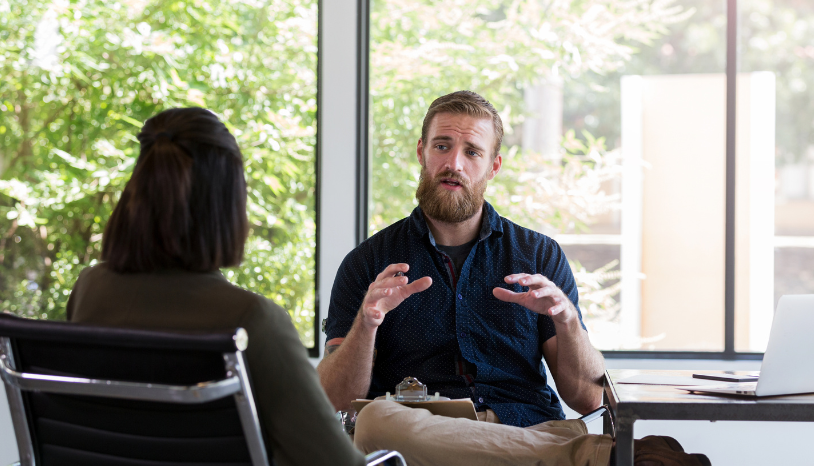
Individual therapy at The Retreat South Coast residential rehab
Evidence-Based · Clinically Rigorous
What residential rehab actually looks like

Structure, Purpose, and Clinical Engagement. Every Day.

There's a version of rehab that gets talked about in pop culture — and then there's what evidence-based residential treatment actually is. They're not the same thing.

Our residential program is structured around clinical rigor and daily accountability. That structure is intentional — it mirrors the kind of routine and discipline that supports recovery after treatment ends. Every day has shape, purpose, and clinical engagement.

01

Individual Therapy

Every client works with a licensed therapist throughout their stay. CBT, DBT, trauma-informed approaches, and Exposure Therapy — tailored to your clinical presentation.

02

Group Therapy

Clinically facilitated, structured, and purposeful. Not a support circle — a therapeutic modality backed by decades of research with real clinical impact.

03

Dual Diagnosis Treatment

According to SAMHSA's 2023 data, 55.8% of people with a substance use disorder also had a co-occurring mental illness. We assess and treat both simultaneously from day one.

04

Wellness & Physical Recovery

Our ReNu Fit wellness program integrates structured fitness and movement into daily treatment. Chef-prepared meals. Sleep hygiene treated as a clinical priority.

Residential rehab Southern California at The Retreat South Coast
Limited Admissions · High Standard of Care
Who this program is built for

Serious About Recovery. Done Pretending Otherwise.

Our program is designed for adults who are serious about recovery — not just stopping, but building something different. That tends to mean people who:

Have completed, or are completing, medical detox and are ready to move into treatment
Have tried outpatient and found that insufficient structure made sustained progress difficult
Are dealing with significant substance use that requires immersive clinical support
Are managing a co-occurring mental health condition that has never been properly treated alongside addiction
Have careers, families, and lives they want back — and understand that protecting those things requires a real investment now
Value privacy, a high standard of clinical care, and a program that treats them like an adult capable of doing hard work

We maintain limited admissions intentionally. The quality of care we deliver requires it.

Therapies & modalities

Clinical Depth. More Than One Tool.

Recovery requires more than one approach. The clinical modalities we use throughout residential treatment are evidence-based, integrated, and tailored to each client's individual presentation and co-occurring conditions.

Our Breathworks program is integrated into the residential curriculum as a tool for nervous system regulation, emotional processing, and trauma release — one of the most consistently effective somatic approaches in addiction treatment.

Insurance & Admissions

Our residential rehab program works with most major private insurance plans. Our admissions team verifies your benefits before you arrive — clearly, without surprises.

Verify Your Insurance →
— available 24/7 —
(949) 612-4789

Confidential · No obligation

Privacy & stepping away from work

The Logistics Are More Manageable Than You Think.

For many people, the hardest part of committing to residential treatment isn't wanting it — it's figuring out how to actually leave.

FMLA

Job-Protected Leave

The Family and Medical Leave Act provides eligible employees with up to 12 weeks of unpaid, job-protected leave per year for qualifying medical conditions — including substance use disorder treatment. Many people find there's far more runway than they assumed.

ADA

Legal Protections in Recovery

The Americans with Disabilities Act also provides protections for individuals in recovery from addiction. Practically speaking, most professionals are gone for 30 to 60 days and return clearer, more present, and more capable.

HIPAA

Strict Confidentiality

All treatment at South Coast is protected under HIPAA and federal 42 CFR Part 2 regulations — some of the strongest privacy protections in healthcare. Your employer will not find out without your consent.

OUR
TEAM

We Help You Think It Through

Our admissions team can help you navigate the logistics of stepping away. It's a conversation we've had many times. The people who needed to know can be told whatever serves your needs. The people who didn't, won't.

Why Southern California — and why environment matters

Where You Recover Matters. Clinically.

Removing yourself from the people, places, and patterns associated with use is one of the most evidence-supported components of early residential treatment. Southern California — and the specific environment at The Retreat South Coast — offers the distance, the climate, and the quality of care that makes recovery possible for people who've tried to do it within reach of their triggers.

You'll have private space. Natural light. Chef-prepared meals. A clinical team that knows your name. A wellness program — ReNu Fit — that begins reintroducing physical health when your body is ready. And holistic addiction treatment approaches that complement clinical care.

For clients traveling from out of state, our admissions team manages the logistics of arrival and helps you plan the transition back to your life post-treatment.

Talk to admissions →
Southern California residential rehab environment at The Retreat South Coast
Private Space Natural Light Chef-Prepared Meals ReNu Fit Wellness
What happens after

Residential Treatment Is the Foundation. What Comes Next Determines How It Holds.

Before you leave, your clinical team develops a comprehensive continuing care plan — outpatient support, therapy referrals, and community resources that match your life back home. We think carefully about re-entry, because the transition back to normal life is one of the highest-risk periods in early recovery.

NIDA's research is clear that the continuum of care — from residential into ongoing outpatient support — significantly outperforms any single phase of treatment in isolation. Recovery doesn't end when you check out. Our job is to make sure you have what you need when you do.

Continuity of Care — Built In

From medical detox through residential treatment through continuing care planning — The Retreat South Coast is designed to support you at every stage, not just hand you off at the door.

Not sure where to start?

Our admissions coordinators are available day or night. That call is confidential, carries no obligation, and will give you honest information about what the program involves.

Verify Your Insurance →
— or call us directly —
(949) 612-4789

Available 24 hours a day, 7 days a week

Frequently asked questions

Real questions. Honest answers.

Inpatient treatment typically refers to hospital-based care for acute stabilization — usually short-term and highly medicalized. Residential rehab is a structured live-in treatment program focused on the therapeutic work of recovery. At The Retreat South Coast, our residential program follows directly from medical detox and provides the immersive clinical environment that drives long-term outcomes.
It depends on the individual — on the substance, the duration and severity of use, whether co-occurring mental health conditions are present, and what the clinical assessment recommends. Most of our residential clients stay between 30 and 90 days. NIDA's research is unambiguous that programs under 90 days are of limited effectiveness for most people, and that longer treatment consistently produces better outcomes. We'll give you an honest recommendation based on your specific situation — not a number that fits a billing cycle.
No — and that's the point. Residential treatment is immersive by design. The removal from your normal environment, obligations, and triggers is a core part of what makes it effective. Many professionals use FMLA leave, medical leave, or a planned absence to create the space. Our admissions team can help you think through the logistics. Most people find there's more flexibility than they assumed.
Not without your consent. Treatment records are protected under HIPAA and federal 42 CFR Part 2 regulations — some of the strictest privacy protections in healthcare. What you share about where you are and why is entirely your decision.
Structured but not rigid. Most days include individual therapy, group therapy, clinical programming, wellness activities through ReNu Fit, meals, and unstructured time for reflection and integration. The rhythm of a structured day is itself therapeutic — it re-establishes the kind of routine that supports recovery after treatment ends.
Residential rehab means living at the facility for the duration of treatment, fully removed from your home environment. Outpatient programs allow you to return home each day. Residential is indicated when the level of use, the lack of a safe home environment, the presence of significant co-occurring conditions, or a history of prior treatment attempts makes a higher level of structure and immersion necessary. For many people, residential followed by a step-down to outpatient is the most effective continuum.
Yes — and we'd argue it's not really residential treatment without it. The majority of people entering residential rehab have a co-occurring mental health condition. We assess and treat both simultaneously, integrated from the start of care. Learn more about our dual diagnosis treatment →
Call us. Honestly, this is the most useful answer — because the right level of care depends on your individual clinical picture. What we can say generally: if outpatient approaches haven't held, if daily use has continued despite wanting to stop, if there are co-occurring mental health concerns, or if the home environment is part of the problem — residential is almost always the indicated level of care.
Ready when you are

The decision to step away and do this properly is one of the harder ones.

It's also one of the most important ones you'll make. When you're ready — or when someone you love is — our team is here. 24/7, without pressure, with real answers.