
Maybe your prescription ran out. Maybe you’re tired of feeling dependent on Xanax, Klonopin, or Ativan and decided to just stop. Or maybe you’re worried about someone you love who’s trying to quit on their own. Whatever the reason, it’s important to understand one of the most serious risks in all of addiction medicine before taking that step.
So can you medically die from abrupt benzodiazepine withdrawal at home? Yes, it is possible. Stopping benzodiazepines suddenly, especially after regular or high-dose use, can cause severe withdrawal that includes grand mal seizures, delirium, dangerous spikes in heart rate and blood pressure, and in rare cases, death. Along with alcohol withdrawal, benzodiazepine withdrawal is one of the few types of drug withdrawal that can be directly life-threatening. The risk is highest for people who quit “cold turkey” without medical supervision. A gradual, medically supervised taper is the safest way to stop.
This guide explains why benzo withdrawal can be dangerous, the warning signs of an emergency, and how medical detox at The Retreat South Coast in Southern California helps people stop safely.
Why Can Benzodiazepine Withdrawal Be Life-Threatening?
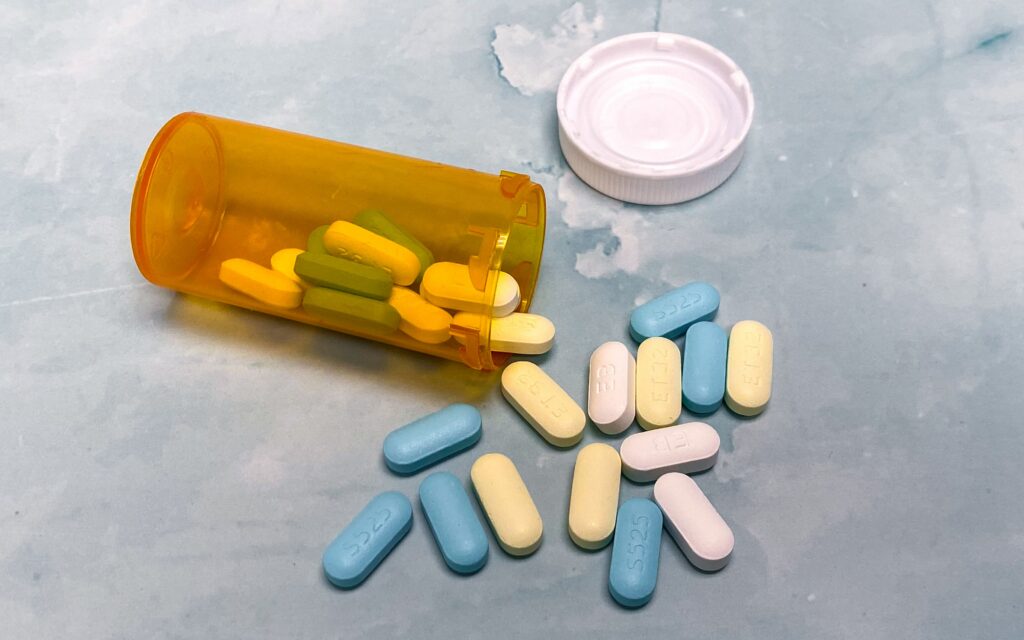
Benzodiazepines are central nervous system depressants prescribed for anxiety, panic disorder, insomnia, muscle spasms, and seizures. Common examples include alprazolam (Xanax), clonazepam (Klonopin), lorazepam (Ativan), and diazepam (Valium).
How Benzos Change the Brain
Benzodiazepines boost the effects of GABA, the brain’s main calming chemical. With regular use, the brain adapts by reducing its own GABA activity and increasing excitatory signals to stay balanced. This is physical dependence, and it can develop even when the medication is taken exactly as prescribed.
What Happens When You Stop Suddenly
When benzos are removed abruptly, the brain’s natural calming system is still turned down while its excitatory system is turned up. The result is a surge of nervous system overactivity. In mild cases, that looks like anxiety and insomnia. In severe cases, the brain can become so overexcited that it triggers seizures.
The FDA’s Warning
In 2020, the U.S. Food and Drug Administration required updated Boxed Warnings for all benzodiazepines, its most serious type of warning. The FDA cautioned that physical dependence can develop within days to weeks, and that stopping abruptly or reducing the dose too quickly can cause serious withdrawal reactions, including seizures, which can be life-threatening.
Why Benzo Withdrawal Is Different From Many Other Drugs
Withdrawal from opioids is extremely uncomfortable but rarely fatal on its own. Benzodiazepine and alcohol withdrawal are different: they can directly cause seizures and other medical emergencies. That’s why benzo detox should never be treated as something to simply “tough out.”
You May Also Like: Can You Die From Alcohol Withdrawal? 5 Urgent Warning Signs
What Are the Symptoms of Benzodiazepine Withdrawal?
Benzo withdrawal can range from uncomfortable to dangerous. Common symptoms include:
- Rebound anxiety and panic attacks
- Insomnia and disturbed sleep
- Irritability and agitation
- Tremors and muscle tension
- Sweating, nausea, and headaches
- Racing heart and elevated blood pressure
- Sensitivity to light, sound, and touch
- Difficulty concentrating and memory problems
More severe symptoms can include hallucinations, confusion, paranoia, delirium, and seizures.
How Long Does Benzo Withdrawal Take to Start?
Timing depends on the medication:
- Short-acting benzos (like Xanax): Symptoms may begin within 6 to 24 hours after the last dose.
- Longer-acting benzos (like Klonopin or Valium): Symptoms may not appear for several days, which can give people a false sense of safety.
Acute withdrawal often peaks within the first one to two weeks, though some people experience lingering symptoms for weeks or months, known as protracted or post-acute withdrawal.
When Is Benzo Withdrawal an Emergency?
Call 911 immediately if someone withdrawing from benzodiazepines experiences:
- A seizure or convulsions
- Confusion, disorientation, or not recognizing people
- Hallucinations or severe paranoia
- Chest pain or a very rapid or irregular heartbeat
- High fever
- Fainting or loss of consciousness
- Thoughts of suicide
Who Is at Highest Risk?
The risk of dangerous withdrawal is higher for people who take high doses, have used benzos daily for weeks or longer, take short-acting benzos, have had withdrawal seizures before, have a seizure disorder, are older adults, or also use alcohol, opioids, or other sedatives. Combining benzodiazepines with alcohol significantly increases the risk of complications.
Why Is Detoxing From Benzos at Home So Risky?
Trying to quit benzodiazepines alone at home removes the safety net you may need most.
Seizures Can Happen Without Warning
Withdrawal seizures can occur suddenly, sometimes days after the last dose. If you’re alone, there may be no one to call for help, protect you from injury, or recognize what’s happening.
Symptoms Can Escalate Quickly
What starts as anxiety and insomnia can progress to confusion, hallucinations, or delirium. At home, it’s difficult to know when symptoms have crossed the line into danger.
Relapse and Overdose Risk
When withdrawal becomes unbearable, many people return to benzos or turn to alcohol to cope. Taking a large dose after a break, or mixing benzos with alcohol or opioids, can lead to dangerous sedation, breathing problems, and overdose.
Real Experiences Show the Danger
People who have been through benzo withdrawal often warn others not to quit abruptly. In an r/benzorecovery thread about coming off clonazepam, one person who had been taking high daily doses for over a year shared what happened when they stopped all at once:
“Stopped cold turkey, had a seizure and ended up being detoxed in the hospital.”
— Reddit user, r/benzorecovery
They went on to stay off benzos for years afterward, but their story is a powerful reminder that the safest path is a supervised taper from the start, not an emergency room visit after a seizure.
Untreated Anxiety Comes Rushing Back
Many people started benzodiazepines to manage anxiety or panic. Stopping suddenly often brings rebound anxiety that feels worse than before, and without support, that can quickly lead back to use.
You May Also Like: What Are the Most Dangerous Aspects of Detoxing Alone From Alcohol?
What Is the Safest Way to Stop Taking Benzodiazepines?
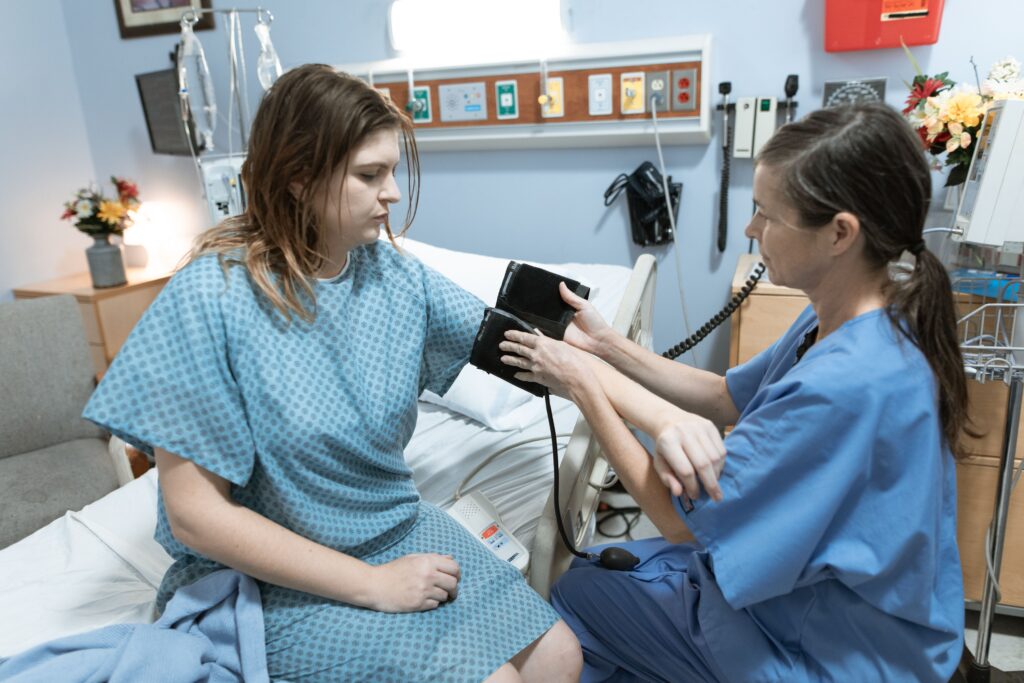
The safest way to come off benzodiazepines is a gradual, medically supervised taper, never an abrupt stop.
A Slow, Personalized Taper
In 2025, the American Society of Addiction Medicine and nine other medical organizations released a joint clinical practice guideline on benzodiazepine tapering. It emphasizes shared decision-making, starting slowly, and adjusting the pace based on each person’s response. Some providers switch short-acting benzos to longer-acting ones to make the taper smoother.
When Medical Detox Is Recommended
The ASAM guideline notes that residential or inpatient care may be necessary for people who are unlikely to taper safely as outpatients. Medical detox is often the right choice if you:
- Take high doses or have used benzos for a long time
- Have had withdrawal seizures or severe withdrawal before
- Use benzos alongside alcohol, opioids, or other substances
- Have tried to taper on your own without success
- Don’t have a safe, supportive place to taper at home
What Happens in Medically Supervised Benzo Detox
In a medical detox setting, clinicians:
- Conduct a full medical and psychiatric assessment
- Create an individualized taper plan
- Monitor vital signs and withdrawal symptoms around the clock
- Adjust medications to prevent seizures and reduce discomfort
- Provide emotional support, hydration, nutrition, and rest
- Begin treating the anxiety, insomnia, or trauma underneath the dependence
This level of care turns a potentially dangerous process into a safer, more manageable one.
You May Also Like: What Is Medical Detox and Who Needs It Before Starting Rehab?
Safe Benzo Detox at The Retreat South Coast in Southern California
The Retreat South Coast, located in Santa Ana in Orange County, provides medical detox in Southern California with 24/7 clinical supervision for people withdrawing from benzodiazepines, alcohol, opioids, and other substances. Detox is overseen by trained medical professionals who prioritize safety while helping clients feel supported, not institutionalized.
Around-the-Clock Monitoring
Because benzo withdrawal can change quickly, continuous monitoring matters. The medical team tracks vital signs and symptoms throughout detox and adjusts care to reduce the risk of seizures and other complications.
Detox and Residential Care in One Place
The Retreat South Coast offers medical detox within a residential rehab setting, so clients can move directly from stabilization into structured residential treatment without changing locations. That continuity is especially valuable for benzodiazepine withdrawal, where anxiety and sleep problems often linger after the acute phase.
Treating the Anxiety Underneath
Many people became dependent on benzos while trying to manage anxiety, panic, or insomnia. The Retreat’s dual diagnosis approach treats substance use and mental health together, using evidence-based therapies like cognitive behavioral therapy (CBT) to build new ways to cope.
Polysubstance Care
Benzodiazepines are often used alongside other substances, which increases withdrawal risks. The Retreat South Coast also treats co-occurring alcohol addiction and opioid addiction, so care addresses the full picture.
Whole-Body Healing
Recovery goes beyond medical care. Practices like breathwork, ReNu Fit, chef-prepared meals, yoga, and sound therapy help calm the nervous system and rebuild healthy routines without relying on medication.
Frequently Asked Questions
Can benzodiazepine withdrawal kill you?
In rare cases, yes. Abrupt benzodiazepine withdrawal can cause seizures, delirium, and other medical complications that can be life-threatening. The risk is highest after high-dose or long-term use and when stopping suddenly without medical supervision.
Is it safe to quit Xanax cold turkey?
No. Quitting Xanax cold turkey can cause severe rebound anxiety, insomnia, and seizures. Because Xanax is short-acting, withdrawal can begin quickly. Talk to a medical provider about a gradual taper.
How long after stopping benzos can a seizure happen?
Withdrawal seizures can occur within a day or two of stopping short-acting benzos like Xanax, or several days later with longer-acting benzos like Klonopin or Valium.
Can I taper off benzos at home?
Some people can taper at home under close medical supervision. People taking high doses, combining benzos with alcohol or opioids, or with a history of seizures often need medically supervised detox.
What does medical detox for benzos involve?
Medical detox includes a full assessment, an individualized taper plan, 24/7 monitoring, medications to prevent seizures and ease symptoms, and support for co-occurring anxiety or insomnia.
Does insurance cover benzo detox?
Many private insurance plans cover medically necessary detox. Coverage varies, so verifying your benefits before admission is the best way to know your costs.
Don’t Risk Benzo Withdrawal Alone
Coming off benzodiazepines is possible, but it should never be a gamble with your safety. Contact The Retreat South Coast today to learn how our 24/7 medically supervised detox in Southern California can help you taper safely and start healing the anxiety underneath.