
Your heart is pounding. Your chest feels tight. A wave of panic hits out of nowhere, and you’re convinced something is seriously wrong. For many people, this is what the first days of stopping drugs or alcohol feel like, and it’s one of the biggest reasons they go back to using.
So what causes accelerated heart rates and panic spikes during drug detox? When you regularly use alcohol or drugs, your brain and nervous system adapt to their presence. Stopping suddenly causes a rebound effect: the body’s “fight or flight” system goes into overdrive, flooding you with stress hormones like norepinephrine and adrenaline. That surge raises your heart rate and blood pressure, causes sweating and shaking, and can trigger intense anxiety or panic attacks. These symptoms are especially common and potentially dangerous during alcohol and benzodiazepine withdrawal, which is why medical supervision matters.
This guide explains what’s happening inside your body, which substances carry the highest risk, when symptoms become an emergency, and how medical detox keeps you safe and more comfortable.
Why Does Withdrawal Make Your Heart Race?
Your nervous system works like a seesaw, balancing calming signals and stimulating signals. Many substances push hard on one side of that seesaw. Over time, the brain compensates by pushing back in the opposite direction to stay balanced. When the substance is suddenly removed, the compensation is still there, and the seesaw slams the other way.
The “Rebound” Effect
Depressants like alcohol and benzodiazepines boost GABA, the brain’s main calming chemical, and suppress glutamate, a stimulating chemical. With heavy use, the brain reduces its own GABA activity and ramps up glutamate to compensate. When use stops, that imbalance leaves the central nervous system in a state of hyperexcitability. A clinical review of alcohol withdrawal describes how this shift in GABA and NMDA (glutamate) receptor activity drives withdrawal symptoms.
The Stress Hormone Surge
At the same time, the sympathetic nervous system, which controls the fight-or-flight response, becomes overactive. Research on the effects of alcohol withdrawal lists rapid heartbeat, elevated blood pressure, faster breathing, sweating, and tremor as signs of autonomic hyperactivity, alongside anxiety, agitation, and sleep problems. In opioid withdrawal, a similar surge of noradrenaline from a brain region called the locus coeruleus is considered a major driver of withdrawal symptoms.
Why Physical Symptoms Trigger Panic
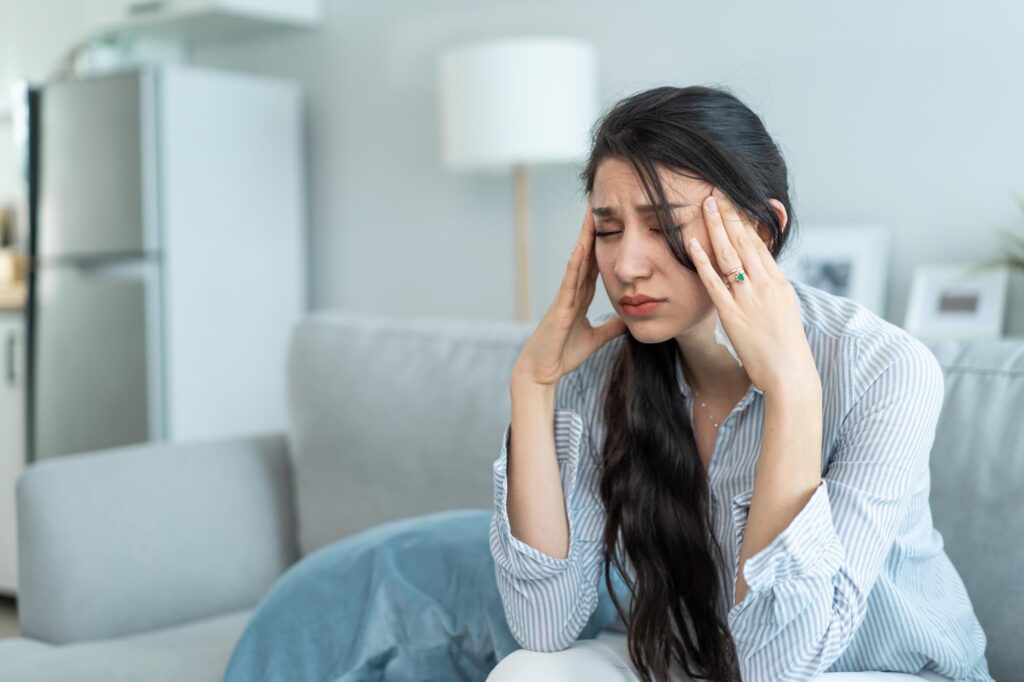
A pounding heart, shortness of breath, and shaking feel exactly like a panic attack, and the brain often interprets them that way. That creates a loop: physical symptoms cause fear, fear releases more adrenaline, and more adrenaline worsens the physical symptoms. Many people in withdrawal genuinely believe they’re having a heart attack.
Which Substances Cause a Racing Heart and Panic During Withdrawal?
Almost any substance can cause anxiety during withdrawal, but the intensity and risks vary.
Alcohol
Alcohol withdrawal is one of the most common causes of rapid heart rate and panic during detox. Symptoms often begin 6 to 24 hours after the last drink and can include tachycardia, high blood pressure, sweating, tremors, and severe anxiety. In some cases, it progresses to seizures or delirium tremens (DTs), which can be life-threatening.
People who’ve been through it describe these symptoms vividly. In an r/stopdrinking thread asking whether people quit on their own or went to detox, one commenter listed their withdrawal symptoms as “Just the classic pounding heart. Sweating. Dreadful anxiety. Minor shakes.” They added that detox is much safer for anyone who has been drinking all day, every day, for an extended period.
Benzodiazepines
Withdrawal from benzodiazepines like Xanax, Klonopin, or Valium can cause rebound anxiety, panic attacks, heart palpitations, insomnia, and seizures. Because benzo withdrawal can be dangerous and prolonged, it should always be managed with a medically supervised taper.
Opioids
Opioid and heroin withdrawal commonly causes a faster heart rate, sweating, restlessness, goosebumps, and anxiety. While opioid withdrawal is rarely life-threatening on its own, the intense discomfort and panic make relapse, and overdose, far more likely without support.
Stimulants
Cocaine and meth withdrawal tends to cause exhaustion and depression rather than a racing heart. However, anxiety, paranoia, and agitation are common, and the heart may still be under strain from recent use.
Polysubstance Use
Many people use more than one substance, sometimes without knowing it. Combined withdrawal, such as alcohol plus benzos or opioids plus stimulants, can produce more unpredictable heart rate and panic symptoms.
When Is a Racing Heart During Detox Dangerous?

Some increase in heart rate and anxiety is expected during withdrawal. But certain signs mean you need emergency medical care right away.
Call 911 If You Notice:
- Chest pain or pressure, especially spreading to the arm, jaw, or back
- A heart rate that stays extremely high or feels irregular
- Fainting or severe dizziness
- Seizures
- Confusion, hallucinations, or severe disorientation
- High fever with heavy sweating and shaking
- Trouble breathing
Who Is at Higher Risk?
The risk of dangerous heart and nervous system complications is higher for people who have been drinking heavily or using benzodiazepines for a long time, who have had withdrawal seizures or DTs before, who are older, or who have existing heart disease, high blood pressure, or other medical conditions. For these individuals, quitting “cold turkey” at home can be unsafe.
How Does Medical Detox Manage Heart Rate and Panic?
Medical detox doesn’t just make withdrawal safer. It also makes it far more tolerable, which helps people stay the course.
24/7 Monitoring
Nurses and medical staff regularly check vital signs, including heart rate, blood pressure, and temperature, so changes are caught early, before they become emergencies. Standardized tools help clinicians measure withdrawal severity and adjust care in real time.
Medications to Calm the Nervous System
Depending on the substance and your health, a physician may use medications to stabilize your nervous system and reduce symptoms. That can include carefully dosed medications to prevent alcohol or benzodiazepine withdrawal complications, non-opioid medications that ease the adrenaline surge in opioid withdrawal, or medications that lower heart rate and blood pressure. Every medication decision is made by the medical team based on your individual needs.
Hydration, Nutrition, and Rest
Dehydration and electrolyte imbalances can make a racing heart worse. Detox teams focus on fluids, balanced meals, and a calm environment to help the body recover.
Tools to Manage Panic
Learning to slow your breath, ground yourself, and recognize that panic will pass can reduce the intensity of anxiety spikes. Practices like breathwork and supportive counseling during detox give people practical tools to use in the moment and long after treatment.
Reassurance and Human Support
Simply knowing that trained staff are nearby and that your symptoms are being monitored can lower fear dramatically. For many people, that sense of safety is what makes it possible to get through the hardest days.
Medical Detox at The Retreat South Coast in Southern California
The Retreat South Coast, located in Santa Ana in Orange County, provides medical detox in Southern California with 24/7 clinical supervision for people withdrawing from alcohol, opioids, benzodiazepines, and other substances. Detox is overseen by trained medical professionals who prioritize safety while making sure clients feel supported, not institutionalized.
Detox and Residential Treatment in One Place
Unlike programs that separate detox from treatment, The Retreat South Coast offers medical detox within a residential rehab setting. Clients can move directly from detox into structured residential treatment without changing locations, which reduces disruption during one of the most vulnerable stages of recovery.
Integrated Mental Health Care
Many people who experience severe anxiety or panic during withdrawal also live with anxiety, depression, trauma, or mood disorders. The Retreat’s dual diagnosis approach treats substance use and mental health together, using evidence-based therapies like cognitive behavioral therapy (CBT) and dialectical behavior therapy (DBT).
Whole-Body Healing
Recovery at The Retreat South Coast goes beyond clinical care. Chef-prepared meals support physical recovery, ReNu Fit builds strength and healthy routines, and wellness practices like breathwork, yoga, and sound therapy help clients regulate stress and calm the nervous system as they heal.
Frequently Asked Questions About Heart Rate and Panic During Detox
Is a racing heart normal during detox?
A moderately increased heart rate is common during withdrawal, especially from alcohol, benzodiazepines, and opioids. It’s caused by an overactive stress response as the nervous system readjusts. However, chest pain, an irregular heartbeat, fainting, or a very high heart rate need immediate medical attention.
How long do panic attacks last during withdrawal?
Acute withdrawal anxiety usually peaks within the first few days and improves over one to two weeks, depending on the substance. Some people experience lingering anxiety for weeks or months as part of post-acute withdrawal, which can be managed with ongoing treatment.
Can alcohol withdrawal cause heart problems?
Yes. Alcohol withdrawal can raise heart rate and blood pressure, trigger irregular heart rhythms, and in severe cases lead to delirium tremens. People with existing heart conditions or a history of heavy drinking should detox under medical supervision.
Is it dangerous to detox from benzodiazepines at home?
Yes. Stopping benzodiazepines suddenly can cause severe rebound anxiety, panic, heart palpitations, and seizures. Benzo withdrawal should be managed with a gradual, medically supervised taper.
How do I tell the difference between a panic attack and a heart attack?
The symptoms can overlap, so it’s always safest to seek emergency care if you have chest pain, pressure, or trouble breathing. In a medical detox setting, staff can check your vitals and run tests to rule out heart problems quickly.
What helps with anxiety during detox?
Medical monitoring, appropriate medications, hydration, rest, slow breathing, grounding techniques, and supportive counseling can all help. Being in a safe, structured environment also reduces fear and makes symptoms easier to manage.
A racing heart and waves of panic don’t have to stand between you and recovery when you have the right medical team by your side. Contact The Retreat South Coast today to learn how our 24/7 medical detox in Southern California can help you withdraw safely and move directly into lasting recovery.