
You catch your reflection and your pupils look huge, almost black. At the same time, you can’t stop shivering. Goosebumps rise on your arms, you’re cold one minute and sweating the next, and your whole body feels restless and wrong. If you’ve been using opioids like fentanyl, heroin, oxycodone, or hydrocodone and recently cut back or stopped, these symptoms can be alarming.
So why are your pupils dilated and your body shivering from opioids? Opioids normally shrink the pupils and calm the nervous system. When you stop or reduce opioids after regular use, your body goes into withdrawal and rebounds in the opposite direction. The nervous system becomes overactive, releasing stress chemicals like noradrenaline that widen the pupils and trigger chills, goosebumps, shivering, sweating, and restlessness. These are classic signs of opioid withdrawal. While withdrawal is rarely fatal on its own, it can be intensely uncomfortable and dangerous, and medically supervised detox is the safest way to get through it.
This guide explains why these symptoms happen, what else to expect, when to seek emergency help, and how The Retreat South Coast in Southern California supports safe opioid detox.
Why Do Opioids Affect Your Pupils?
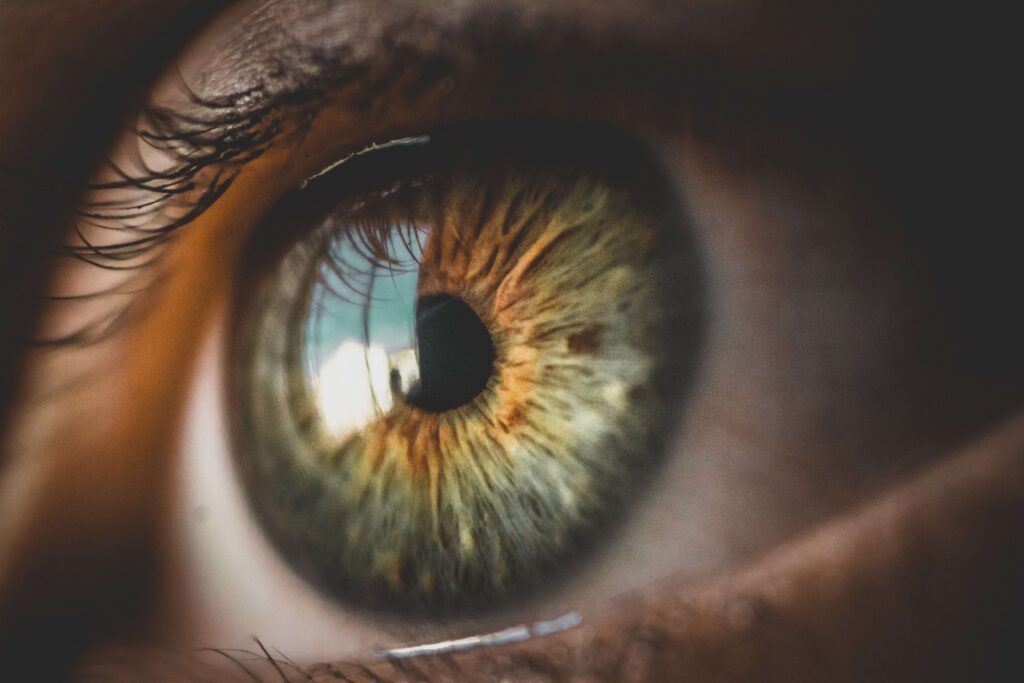
Your pupils are controlled by the autonomic nervous system, the part of your body that runs automatically. Opioids have a strong effect on that system.
Opioid Use: Pinpoint Pupils
While someone is using opioids, their pupils typically become very small, often called “pinpoint pupils.” Opioids activate receptors in the brain that tighten the muscles controlling the pupil. Tiny pupils, combined with drowsiness and slow breathing, are a hallmark sign of opioid use and, in severe cases, overdose.
Opioid Withdrawal: Dilated Pupils
When opioids are stopped after regular use, the opposite happens. The body has adapted to the drug’s calming effects, and without it, the nervous system rebounds into overdrive. A region of the brain called the locus coeruleus releases a surge of noradrenaline, which drives many withdrawal symptoms. According to a StatPearls clinical review of opioid withdrawal, dilated pupils (mydriasis), along with goosebumps, sweating, and restlessness, are among the objective signs clinicians look for.
Why Pupils Can Look “Disproportionately” Large
If you’ve been used to seeing pinpoint pupils while using, the switch to dilated pupils during withdrawal can look dramatic. Pupil size can also vary throughout the day as withdrawal symptoms rise and fall.
You May Also Enjoy: What Causes Accelerated Heart Rates and Panic Spikes During Drug Detox?
Why Does Opioid Withdrawal Make You Shiver?
Shivering and chills are some of the most common and uncomfortable parts of opioid withdrawal.
Your Body’s Temperature Control Is Thrown Off
Opioids affect how the brain regulates body temperature. When they’re removed, that system can swing unpredictably, causing hot flashes, sweating, and then chills, sometimes within minutes of each other.
The Stress Response Is in Overdrive
The same noradrenaline surge that widens your pupils also activates your fight-or-flight response. That can cause trembling, muscle tension, and a racing heart.
Goosebumps and “Cold Turkey”
Goosebumps, known medically as piloerection, are so common in opioid withdrawal that they’re often credited as the origin of the phrase “going cold turkey,” because the skin can resemble a plucked turkey.
Restlessness and Muscle Aches
Many people also experience aching muscles, restless legs, and an inability to get comfortable. Combined with chills, this can make sleep nearly impossible.
What Other Symptoms Come With Opioid Withdrawal?
Dilated pupils and shivering rarely appear alone. Other common symptoms include:
- Anxiety, irritability, and agitation
- Intense cravings
- Runny nose and watery eyes
- Frequent yawning
- Sweating
- Nausea, vomiting, and diarrhea
- Stomach cramps
- Muscle and bone aches
- Insomnia
- Rapid heart rate and elevated blood pressure
How Long Does Opioid Withdrawal Last?
Timing depends on the opioid used:
- Short-acting opioids (like heroin or many prescription painkillers): Symptoms often begin within 8 to 24 hours of the last dose, peak around days two to three, and ease over about a week.
- Fentanyl: Because fentanyl is stored in fat tissue, withdrawal can be less predictable, sometimes starting later or lasting longer.
- Long-acting opioids (like methadone): Symptoms may take a day or more to appear and can last several weeks.
Some people also experience lingering symptoms like poor sleep, low mood, and cravings for weeks or months, known as post-acute withdrawal.
You May Also Enjoy: What Is Medical Detox and Who Needs It Before Starting Rehab?
When Are These Symptoms an Emergency?
Opioid withdrawal is rarely life-threatening by itself, but complications can be serious. Seek medical care right away if you or someone you love experiences:
- Severe vomiting or diarrhea that leads to dehydration (dizziness, very dark urine, inability to keep fluids down)
- Chest pain or a very fast or irregular heartbeat
- Confusion, hallucinations, or seizures
- High fever
- Thoughts of self-harm or suicide
Withdrawal vs. Overdose: Know the Difference
The pupils can offer an important clue:
- Withdrawal: Dilated pupils, shivering, sweating, restlessness, agitation, and alertness.
- Overdose: Pinpoint pupils, extreme drowsiness or unresponsiveness, slow or stopped breathing, blue or gray lips or fingertips, and gurgling or snoring sounds.
An opioid overdose is a medical emergency. Call 911 immediately and give naloxone (Narcan) if available.
Why Relapse During Withdrawal Is So Dangerous
Tolerance drops quickly once someone stops using. If withdrawal becomes unbearable and a person uses the same amount they once did, especially with fentanyl in the supply, the risk of a fatal overdose rises sharply. This is one of the biggest reasons not to go through opioid withdrawal alone.
You May Also Enjoy: Levels of Care in Addiction Treatment Explained: Detox, Residential, PHP, and IOP
Safe Opioid Detox at The Retreat South Coast
The Retreat South Coast in Santa Ana, Orange County, provides medical detox in Southern California with 24/7 clinical supervision for people withdrawing from fentanyl, heroin, and prescription opioids. The medical team monitors symptoms around the clock and focuses on keeping clients safe, comfortable, and supported.
Managing Withdrawal Symptoms
During detox, clinicians track vital signs, hydration, and withdrawal severity, and can provide medications to ease symptoms like chills, aches, nausea, anxiety, and insomnia. Medication-assisted options may also help reduce cravings when appropriate.
Specialized Opioid and Heroin Treatment
The Retreat offers dedicated programs for opioid addiction and heroin addiction, so care addresses the specific challenges of opioid dependence.
From Detox to Residential Care
Because detox happens within a residential rehab setting, clients can move directly into structured treatment without changing locations. Therapy options include CBT, DBT, and exposure therapy.
Whole-Body Healing
Practices like breathwork, yoga, ReNu Fit, and chef-prepared meals help calm the nervous system and restore physical health after opioid use.
Getting Started
The Retreat South Coast offers fast, confidential insurance verification so you can understand your coverage before admission.
Frequently Asked Questions
Do opioids make your pupils big or small?
While someone is using opioids, pupils usually become very small, often called pinpoint pupils. During opioid withdrawal, pupils typically become dilated.
Why do I get chills and goosebumps during opioid withdrawal?
Withdrawal triggers a surge of stress chemicals like noradrenaline and disrupts the body’s temperature control, causing chills, goosebumps, sweating, and shivering.
How long do dilated pupils last after stopping opioids?
Dilated pupils usually last as long as acute withdrawal symptoms, often several days to about a week for short-acting opioids. Timing can vary with fentanyl and long-acting opioids.
Can opioid withdrawal kill you?
Opioid withdrawal is rarely fatal on its own, but severe dehydration and other complications can be dangerous. The biggest risk is relapse after tolerance drops, which can lead to a fatal overdose.
How can I tell the difference between withdrawal and an overdose?
Withdrawal usually causes dilated pupils, shivering, sweating, and agitation. Overdose causes pinpoint pupils, extreme drowsiness, and slow or stopped breathing. Overdose requires immediate emergency care and naloxone if available.
What helps with opioid withdrawal symptoms?
Medically supervised detox can provide medications to reduce cravings and ease symptoms, along with hydration, nutrition, and around-the-clock monitoring.
You Don’t Have to Shiver Through Withdrawal Alone
Opioid withdrawal is hard, but with the right medical support, it can be safer and far more manageable. Contact The Retreat South Coast today to learn how our 24/7 medical detox in Southern California can help you get through withdrawal and start recovery.